
Environmental Due Diligence
Chenier scientists are experts in identifying and managing environmental risks in real estate and corporate transactions

Our Services
-
A Phase I Environmental Site Assessment (ESA) is a report that researches the current and historical uses of a property to identify potential or existing environmental contamination liabilities. It is a crucial, non-invasive due diligence process for lenders and buyers to avoid liability under the Comprehensive Environmental Response, Compensation and Liability Act (CERCLA), typically identifying risks like hazardous substances or petroleum products in soil or groundwater.
Applicable to: Real Estate Developers, Commercial Property Owners, Lenders, Investors, Oil and Gas Companies, Municipalities
-
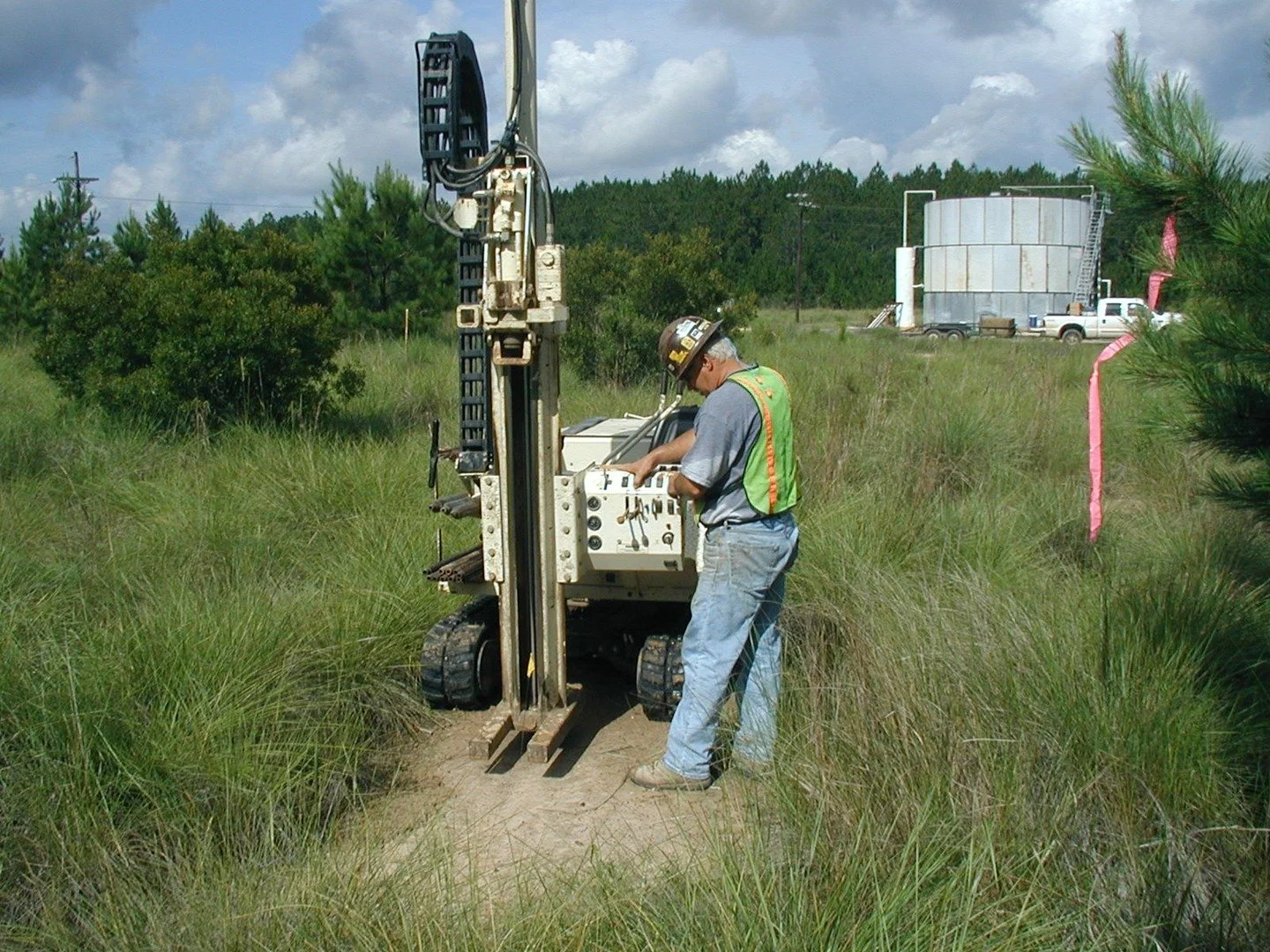
A Phase II Environmental Site Assessment includes subsurface soil, groundwater, and/or soil vapor sampling; laboratory analysis; and evaluation of analytical results to confirm the presence or absence of environmental contamination identified during a Phase I assessment. Phase II Environmental Site Assessments are typically required by regulators, lenders, or property owners to support risk evaluation, remediation planning, or property transactions.
Applicable to: Oil and Gas, Real Estate Developers, Commercial and Industrial Property Owners, Lenders, Municipalities, Manufacturing Facilities
-
A transaction screen assessment includes a limited review of readily available regulatory records, historical information, and a site visit or interview to identify obvious environmental concerns associated with a property. Transaction screens are typically required by lenders or property owners for low-risk property transactions or preliminary due diligence where a full Phase I Environmental Site Assessment is not warranted.
Applicable to: Real Estate, Commercial Property Owners, Small Businesses, Lenders, Investors
-
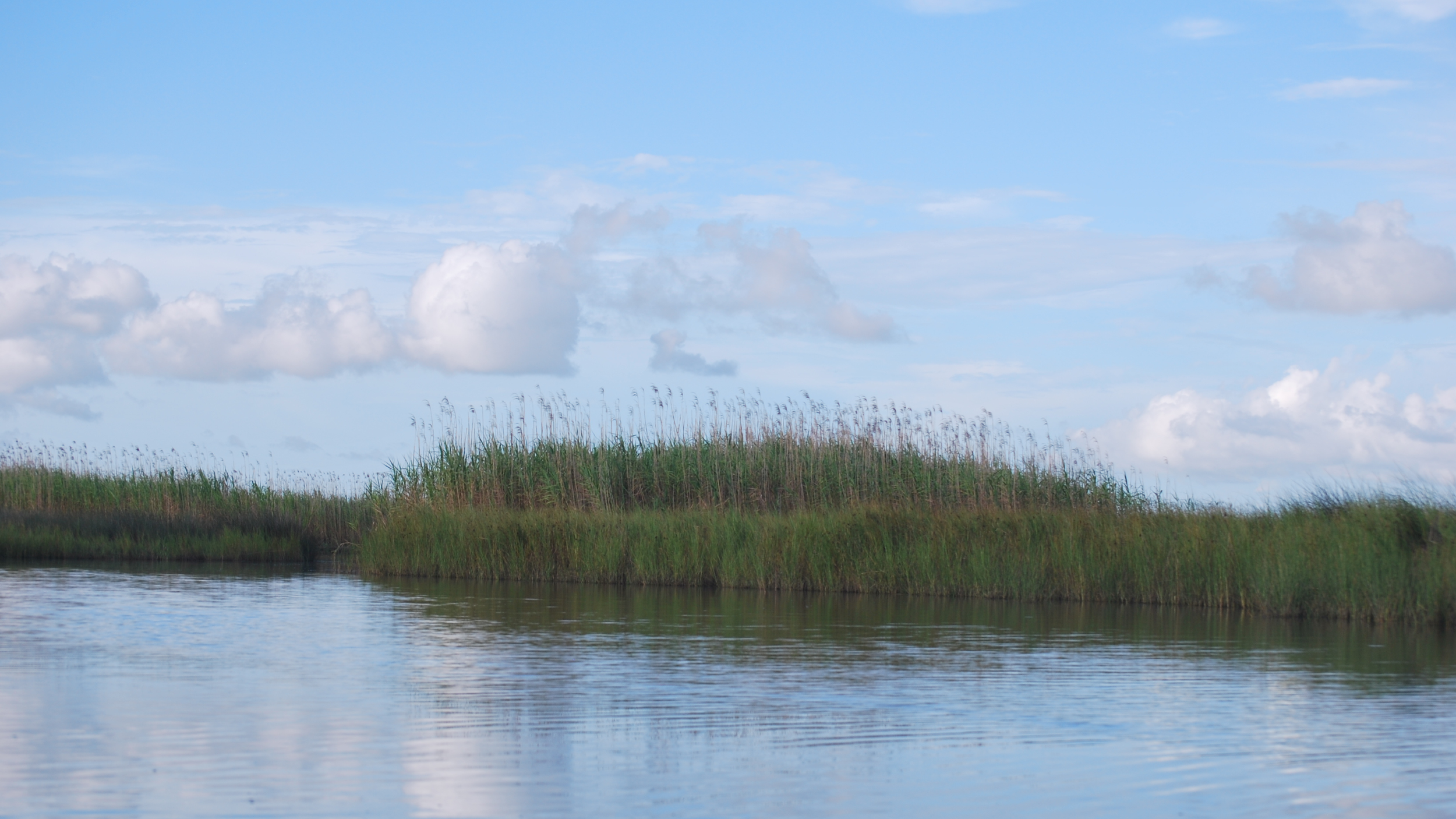
A wetland assessment includes field identification and delineation of wetlands and waters, evaluation of hydrology, soils, and vegetation using USACE methodology, and preparation of maps and reports to support regulatory review. Wetland assessments are required by federal and state agencies to support permitting, land development, and environmental compliance.
Applicable to: Real Estate Developers, Commercial and Industrial Development, Oil and Gas, Transportation Agencies, Utilities, Municipalities